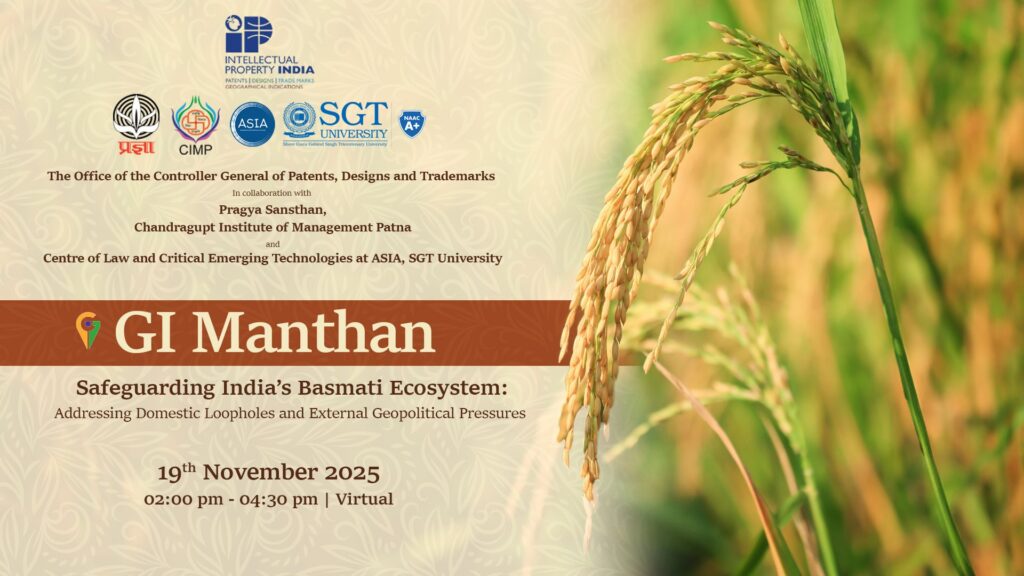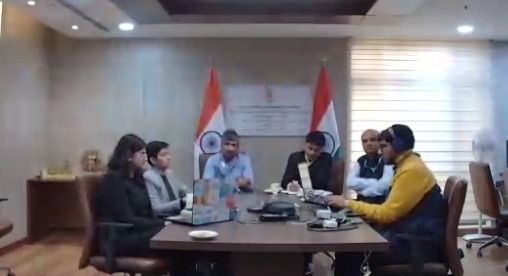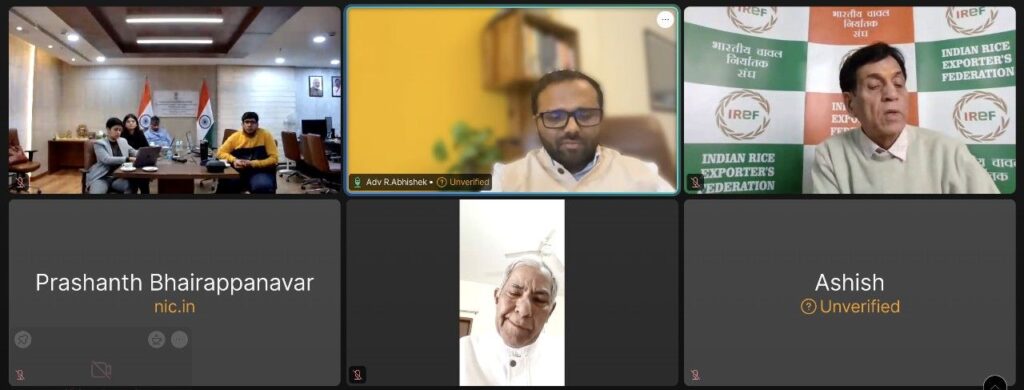

The Advanced Study Institute of Asia (ASIA), in collaboration with the Office of The Controller General Of Patents, Designs And Trade Marks (O/o CGPDTM), Pragya Sansthan, and the Chandragupt Institute of Management Patna (CIMP), hosted GI Manthan: Safeguarding India’s Basmati Ecosystem on 19 November 2025. The roundtable brought together leading voices from policy, science, industry, and law to reflect on the vulnerabilities and future direction of one of India’s most culturally rooted and globally recognised GI products —Basmati rice.
The panel included Prof. Unnat P. Pandit, Padma Shri Dr Vijay Pal Singh, Prof Vinod Kumar Kaul, Adv. R Abhishek and prashanth bhairappanavar, each offering a distinctive view of the pressures shaping the basmati ecosystem. The discussion opened by tracing basmati’s long heritage in the Himalayan and Indo–Gangetic belt and the challenges emerging from within the system, particularly the spread of unapproved hybrids through the “Truthfully Labelled” category, gaps in seed regulation, and the impact these have on purity, aroma, and India’s GI defence. Speakers also examined external pressures: stricter residue norms in Europe, tariff shifts in major markets, and competing claims from Pakistan, including recent recognitions abroad that complicate India’s longstanding geographical association with basmati. In response, the panel underscored the importance of linking seed approval directly to GI rules, expanding DNA-based varietal verification and testing labs, and strengthening enforcement across cultivation zones.
A major part of the conversation focused on building trust and transparency through technology. Tools such as BasmatiNET, blockchain-linked traceability, QR-coded supply chains, and proposals for a universal GI logo were highlighted as essential to safeguard authenticity and reassure global buyers. Speakers also pointed to the need for coordinated institutional and diplomatic action, including clearer regulatory structures and a unified “True Basmati from India” branding strategy.
The session concluded with broad agreement that safeguarding basmati requires a cohesive and long-term approach—one that blends legal clarity, technological innovation, farmer-centred support, and strategic global positioning. GI Manthan marked a meaningful step toward building that shared roadmap and reinforcing India’s leadership in protecting heritage-based agricultural products.